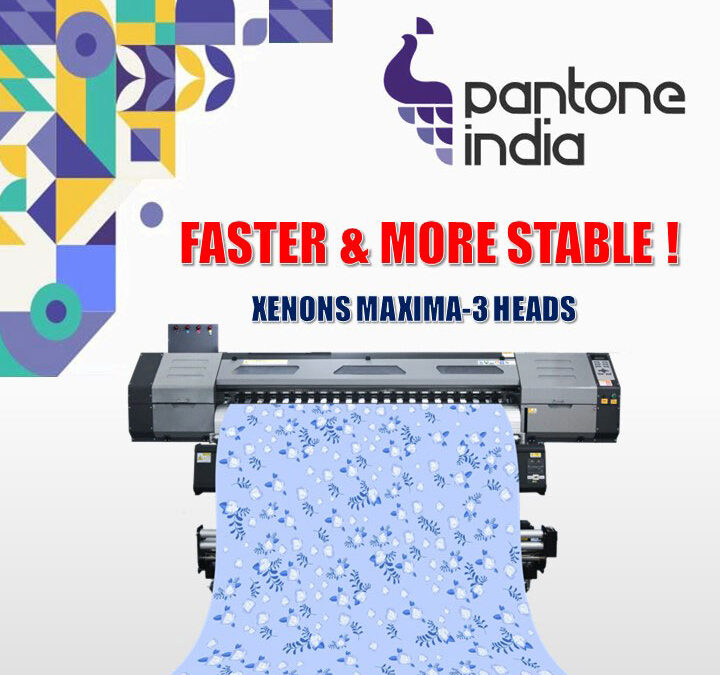
Digital textile printing inks are rapidly emerging as a high-growth sector within the fabric dyeing and processing industry. In contrast to traditional screen printing and batch dyeing, digital inkjet methods excel at producing small production runs, accommodating diverse designs, and delivering rapid turnaround times. By eliminating the time and expense of plate-making, on-demand digital printing drastically lowers minimum order quantities (MOQs) and reduces surplus inventory risks. This flexibility aligns seamlessly with the apparel sector’s push toward fast fashion, agile manufacturing, and responsive supply chains, serving as a major engine for ink market expansion.
Key Application Areas
- Apparel: Clothing remains the primary revenue driver for digital textile inks. The momentum behind e-commerce, custom apparel, and fast-fashion brands has accelerated the need for frequent, low-volume print jobs, boosting usage across reactive dyes, disperse inks, and textile pigment formulas.
- Home Furnishings: Manufacturers of bedding, drapery, and upholstery are increasingly adopting digital methods. Superior pattern sharpness, fine color gradients, and tailored aesthetics allow home textile brands to stand out in mid-to-premium product segments.
- Technical & Industrial Fabrics: Improved printhead precision, droplet control, and substrate compatibility have unlocked new uses in soft signage, banners, performance wear, and specialized technical textiles.
Environmental & Sustainability Advantages
Stricter global eco-regulations and brand-led sustainability mandates are accelerating the shift toward digital printing. Compared with conventional dyeing, digital inkjet systems consume significantly less water and energy while minimizing chemical runoff. The technology’s “what-you-see-is-what-you-get” fidelity cuts down on test sampling and costly re-runs, dramatically easing effluent and wastewater treatment burdens.
Technological Landscape
- Pigment Inks: Experiencing the fastest adoption due to simplified pre- and post-treatment requirements, broad fabric compatibility, and overall cost-efficiency.
- Reactive & Disperse Inks: Maintain steady demand across major natural and synthetic fibers like cotton, viscose, and polyester.
- Key Innovation Focuses: Ink manufacturers are heavily competing on wash fastness, color consistency, high-speed printhead compatibility, and jetting stability.